Current Trends in Russian Opposition Movements


Introduction to Russian Opposition Movements
In recent years, Russian opposition movements have gained significant attention both domestically and internationally. These movements have evolved, adapting to various challenges and leveraging new strategies to amplify their voices. Understanding these trends provides insight into the dynamic political landscape of Russia.
Rise of Digital Activism
The digital realm has become a crucial battleground for Russian opposition movements. With restrictions on traditional media, activists have turned to social media platforms to disseminate information, organize protests, and rally support. Platforms like Telegram and YouTube have been instrumental in reaching a wider audience, bypassing state-controlled media channels.
Moreover, the use of digital tools has allowed activists to document events in real-time, providing an unfiltered view of protests and government actions. This shift to online platforms has made it more challenging for authorities to suppress dissent, as information can quickly spread across borders.
Grassroots Mobilization
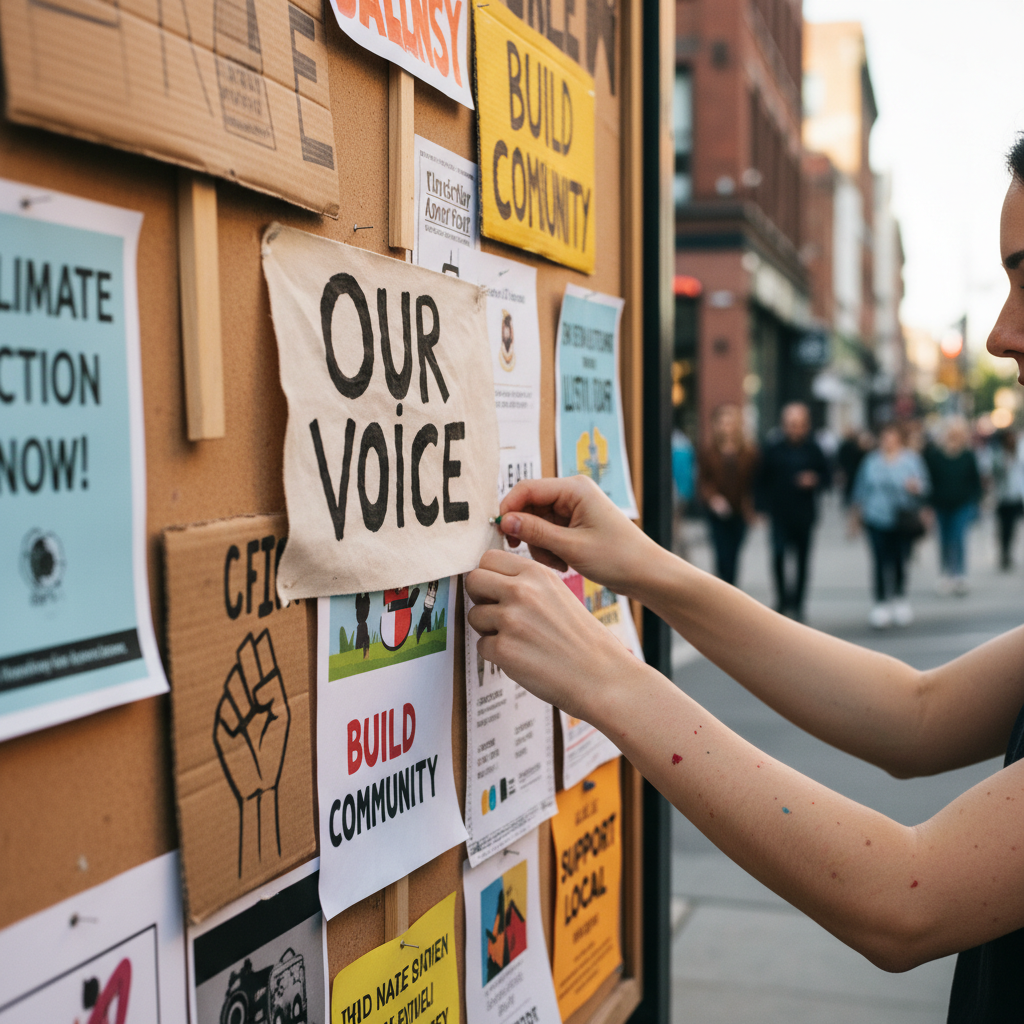
Grassroots mobilization has become a hallmark of modern Russian opposition. Unlike previous movements that were often centralized, current efforts emphasize local leadership and community involvement. This approach has helped build a more resilient and adaptable resistance, capable of operating independently yet cohesively across the country.

Local groups organize events, distribute materials, and engage in community outreach, fostering a sense of solidarity and shared purpose among participants. This decentralized model makes it more difficult for authorities to dismantle the movement, as there is no single point of failure.
International Support and Solidarity
International attention and support have played a significant role in sustaining Russian opposition movements. Global media coverage, alongside statements from international organizations, helps put pressure on the Russian government by highlighting human rights violations and promoting democratic ideals.

Many Russian activists have also found allies in foreign governments and NGOs, who offer platforms for their voices and advocate for their causes. This international solidarity not only provides moral support but also helps protect activists facing repression at home.
Challenges and Future Prospects
Despite these advancements, Russian opposition movements face numerous challenges. Government crackdowns, arrests, and restrictive laws continue to pose significant obstacles. Moreover, the fragmentation within opposition groups can hinder unified action, making it difficult to sustain momentum.
Looking ahead, the future of Russian opposition movements will likely depend on their ability to maintain unity, adapt to changing circumstances, and continue leveraging technology effectively. The resilience and creativity of activists will be crucial in navigating the complex political landscape and advocating for change.

In conclusion, the current trends in Russian opposition movements reveal a vibrant and evolving struggle for political freedom and reform. By understanding these dynamics, observers can better appreciate the ongoing efforts to shape Russia's future.