Debunking Myths About Russian Political Opposition


Understanding the Russian Political Opposition
When discussing Russian politics, a common topic of interest is the opposition. However, many misconceptions surround this subject. It's crucial to demystify these myths to gain a clearer understanding of the political landscape in Russia.

Myth 1: The Opposition Is a Single Entity
One of the most prevalent myths is that the Russian opposition is a unified entity. In reality, it comprises various groups with differing agendas and ideologies. Some factions advocate for liberal reforms, while others focus on nationalism or social democracy. This diversity makes it challenging for the opposition to present a united front.
It's important to recognize this diversity as a strength, providing a broad spectrum of ideas and perspectives. However, it also means that cooperation can be complex and fraught with internal disagreements.
Myth 2: The Opposition Lacks Popular Support
Another common misconception is that the Russian opposition lacks popular support. Although it's true that the government controls much of the media, which influences public opinion, there are still significant pockets of support for opposition figures, particularly in urban areas like Moscow and St. Petersburg.
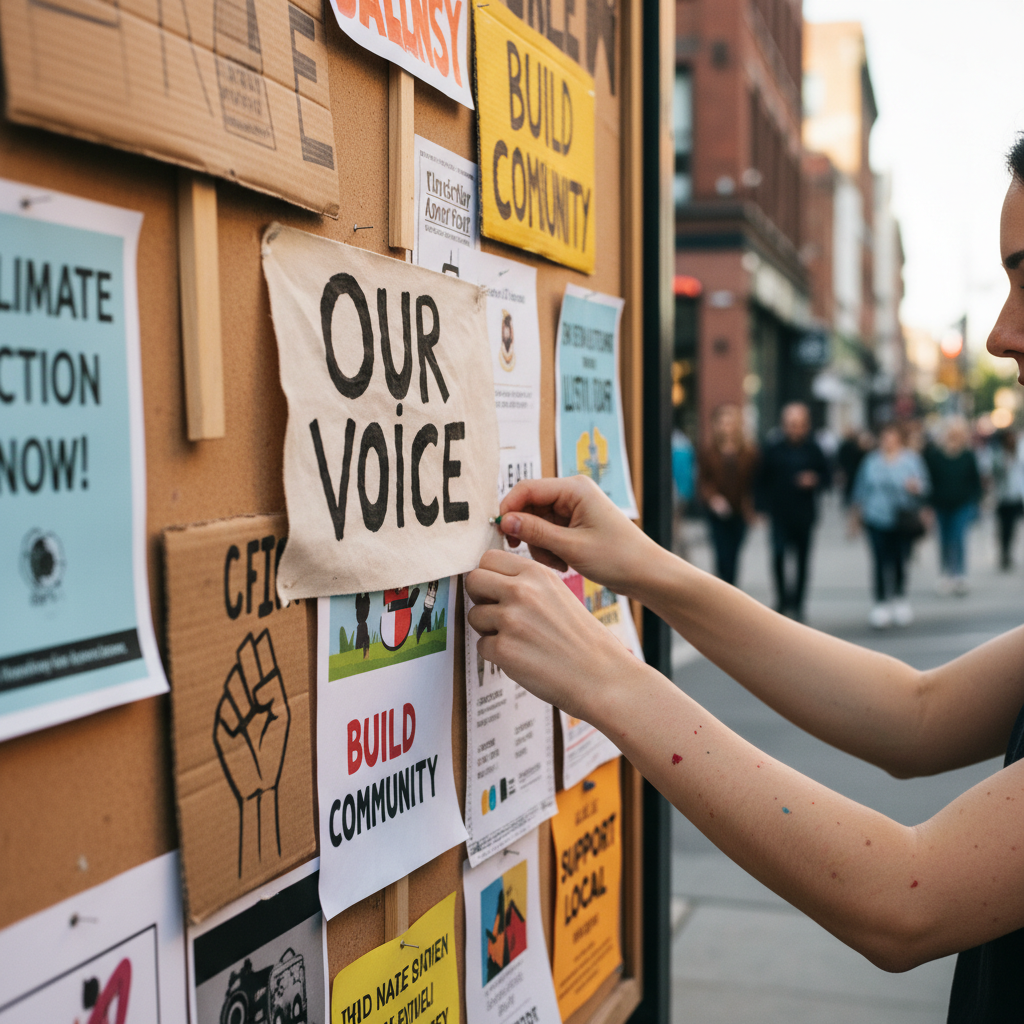
Surveys and election results often show that opposition candidates and movements have a measurable amount of backing, even if it's not always reflected in official statistics due to various factors, including electoral irregularities.
Myth 3: The Opposition Is Entirely Foreign-Backed
Some narratives suggest that the Russian opposition is solely a puppet of foreign governments. While international support does exist, it's an oversimplification to claim that the opposition is purely foreign-backed. Many groups are grassroots organizations with deep roots in local communities.
Foreign involvement can sometimes provide resources and visibility, but the primary motivation for many opposition members is a desire for change within Russia itself.

The Challenges Facing the Opposition
Despite these myths, the Russian political opposition faces genuine challenges. These include limited access to mainstream media, restrictive laws, and various forms of state pressure. Navigating these obstacles requires resilience and strategic planning.
Moreover, the opposition must build alliances and engage with a broader audience to increase their influence and effectiveness. This involves reaching out to disenchanted citizens and presenting viable alternatives to current policies.
The Future of the Russian Opposition
The future of the Russian opposition is uncertain, but not without hope. As younger generations become more politically active and engaged, there's potential for growth and change. The key will be leveraging technology and social media to bypass traditional media barriers and connect with the populace.
Ultimately, debunking these myths is essential for understanding the nuanced and complex nature of the Russian political opposition. By acknowledging these realities, observers can better appreciate the dynamics at play and the potential for future developments.