The Role of Media in Political Opposition: A Critical Analysis


The media plays a pivotal role in shaping political landscapes across the globe. In the realm of political opposition, its influence is particularly significant. From traditional newspapers and television to digital platforms and social media, the media serves as both a tool and a battleground for political discourse.
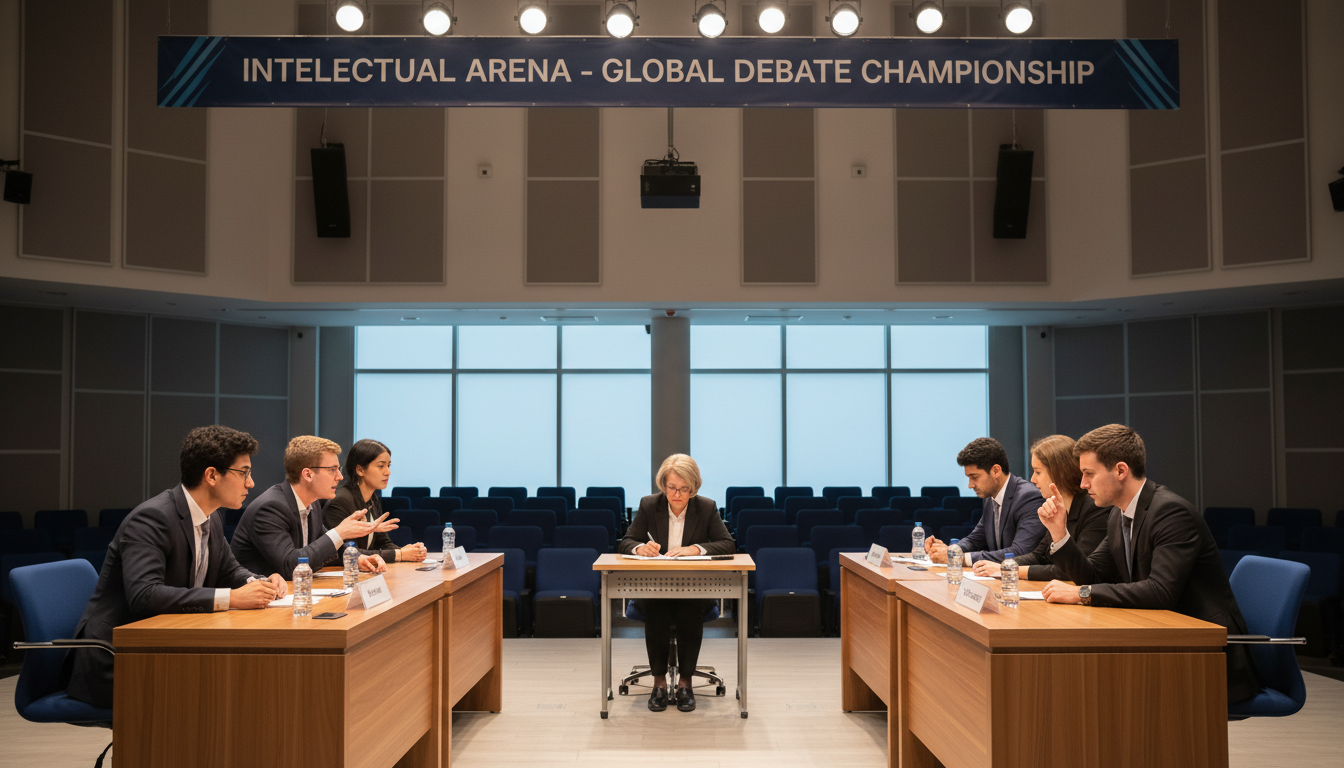
The Media as a Platform for Opposition Voices
One of the primary roles of the media is to provide a platform for opposition voices. By offering coverage to dissenting opinions, the media ensures that a variety of perspectives reach the public. This diversity is crucial for a healthy democracy, as it encourages informed decision-making among citizens.
Moreover, the media can amplify the concerns of marginalized groups, giving them a voice in political debates. This amplification can lead to increased awareness and, ultimately, policy changes that reflect a broader spectrum of public opinion.
Investigative Journalism and Accountability
Investigative journalism is another critical function of the media in political opposition. By uncovering corruption, malpractice, or inefficiencies within the government, journalists hold power to account. This watchdog role is essential for maintaining transparency and integrity in governance.
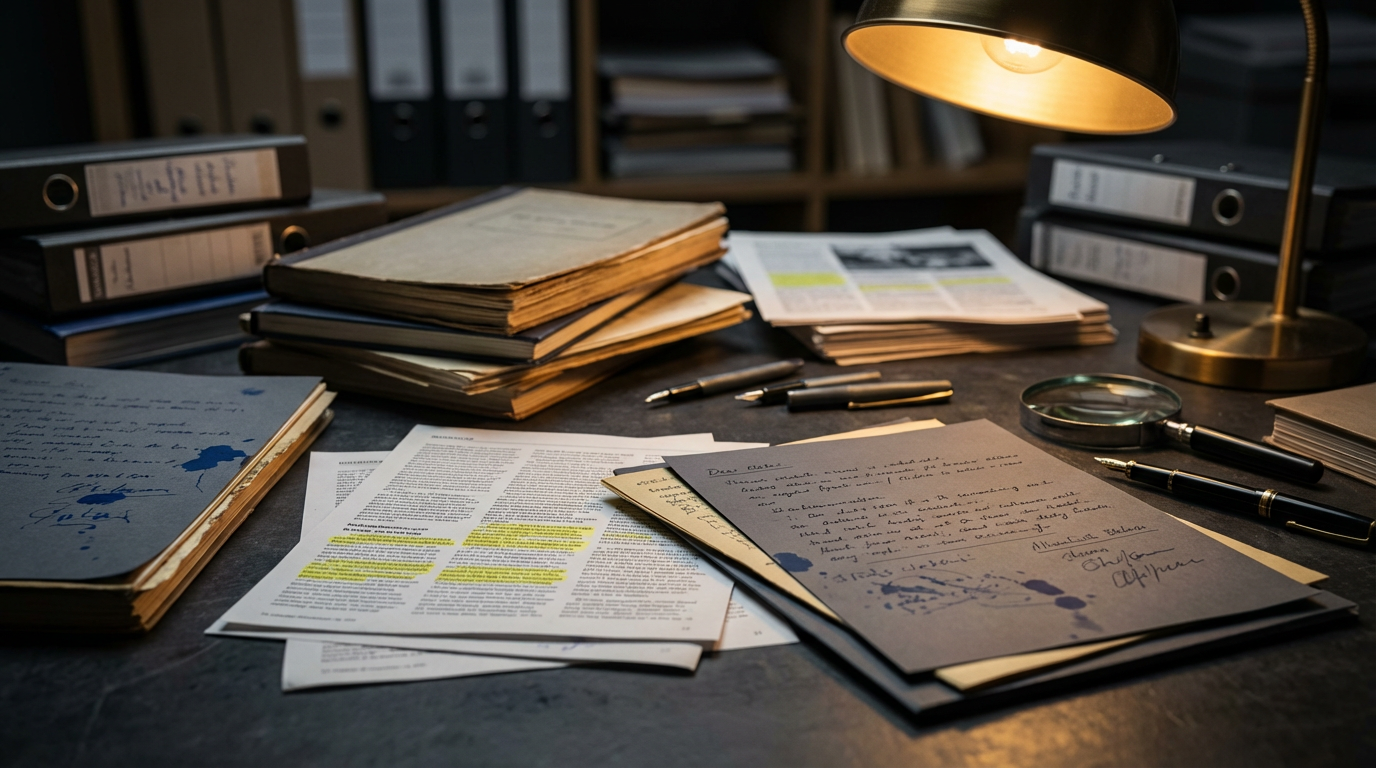
In many cases, investigative reports have led to significant political shifts, forcing resignations, or prompting legal action against those in power. This form of journalism not only informs the public but also empowers them to demand accountability from their leaders.
The Challenges of Media Bias
While the media can support political opposition, it is not without its challenges. Media bias is a prevalent issue that can skew public perception. Whether intentional or inadvertent, bias can lead to one-sided reporting, which undermines the media's role as an impartial informant.
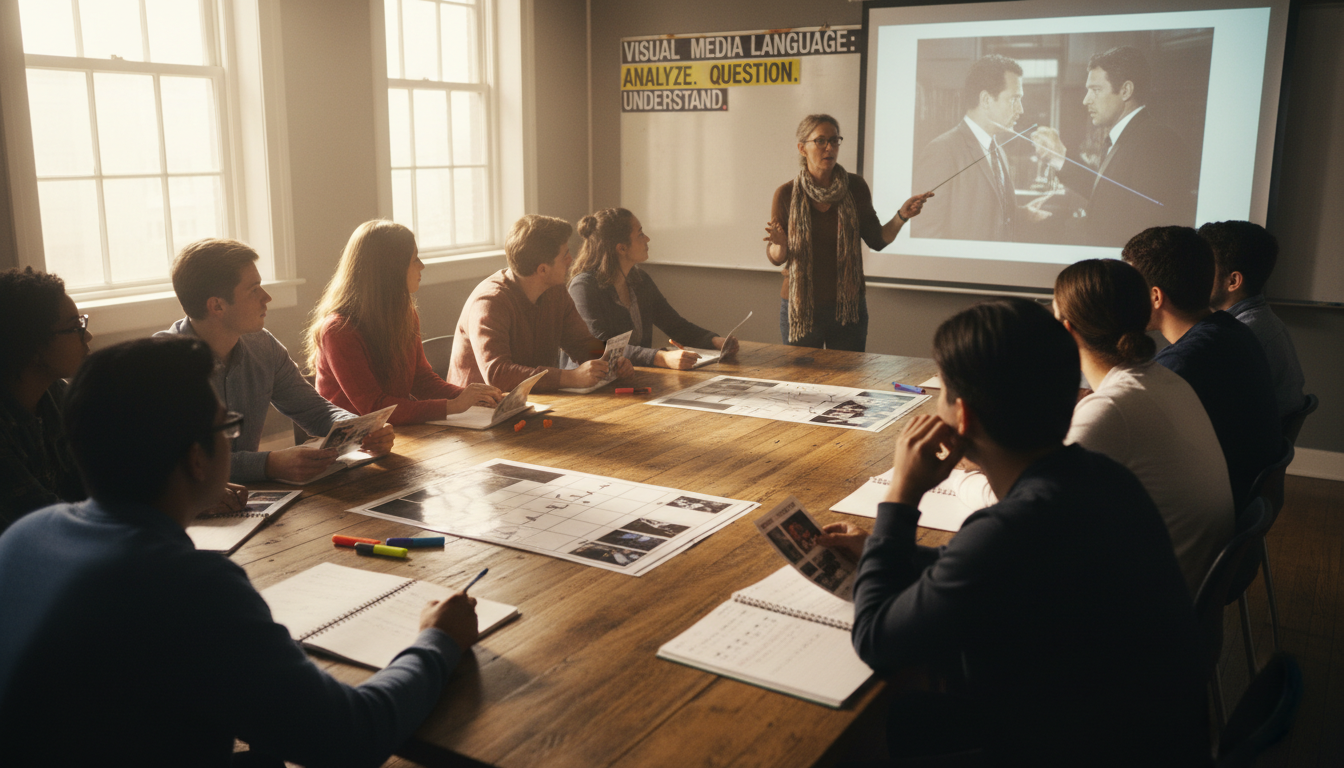
Consumers of news must be critical and discerning, often seeking multiple sources to get a balanced view of political events. This need for vigilance highlights the importance of media literacy in contemporary society.
The Impact of Social Media
Social media has revolutionized the way political opposition is organized and communicated. Platforms like Twitter, Facebook, and Instagram allow for rapid dissemination of information and mobilization of supporters. These platforms can democratize information, allowing anyone with internet access to participate in political discourse.
However, the rapid spread of information also includes the risk of misinformation. False or misleading content can be shared widely, complicating the political landscape and influencing public opinion in potentially harmful ways.
Conclusion: Navigating a Complex Landscape
The role of media in political opposition is multifaceted and complex. It serves as a crucial platform for diverse voices, a tool for accountability, and a means for rapid information dissemination. However, challenges such as media bias and misinformation require careful navigation by both media producers and consumers.
As citizens, understanding the media's role and its limitations allows for more informed engagement in the democratic process. By critically engaging with media content, individuals can better contribute to the political discourse and influence positive change.