The Role of Media in Russian Political Opposition


The Influence of Media in Russian Politics
The role of media in Russian political opposition is both complex and multifaceted. In a country where state-controlled media dominates the landscape, independent outlets face numerous challenges. However, these outlets play a crucial role in providing alternative viewpoints and fostering political discussion.
State-Controlled Media vs. Independent Outlets
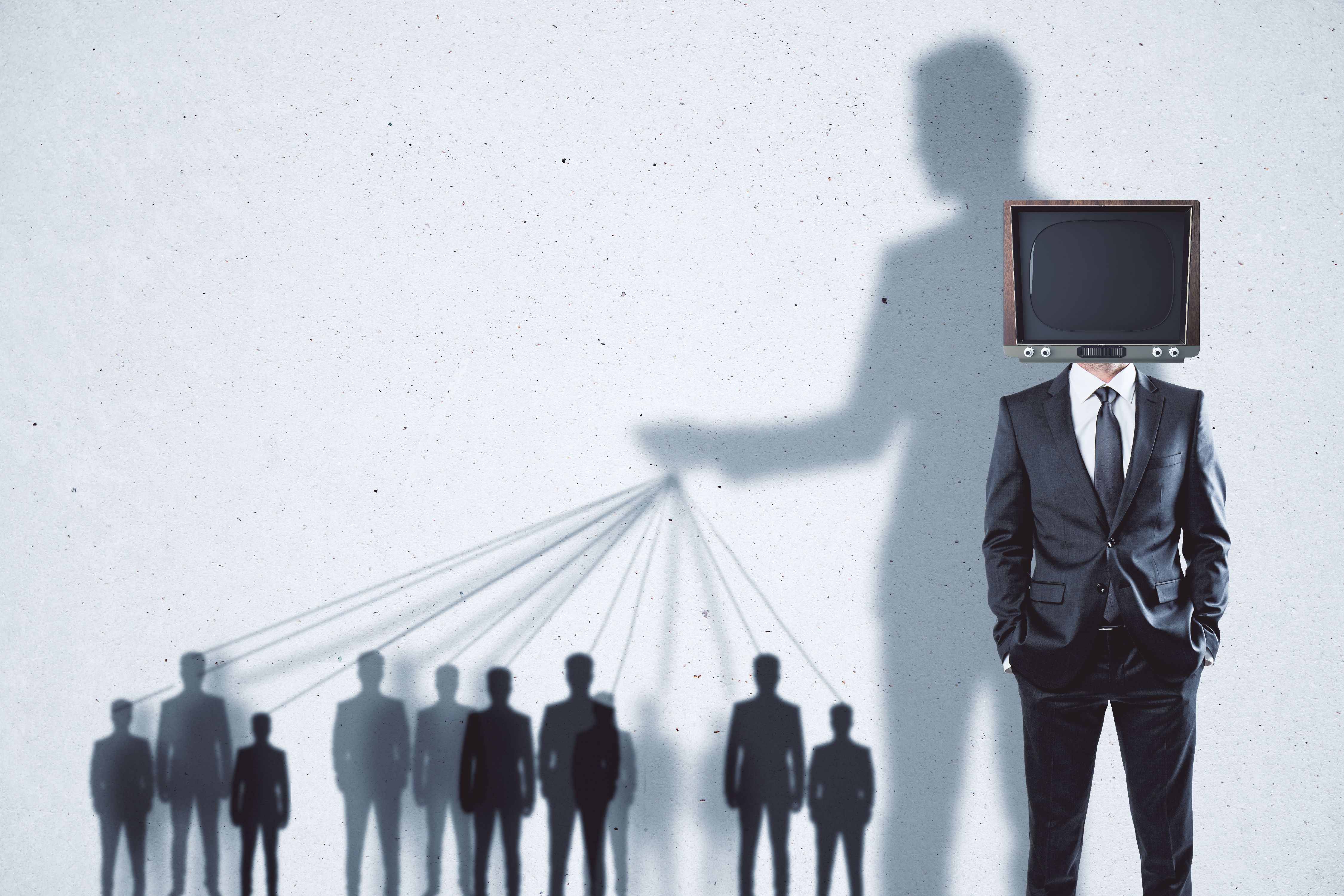
State-controlled media in Russia often promotes government narratives, leaving little room for dissenting voices. This control over information can significantly shape public opinion, making it difficult for opposition parties to gain traction. Despite these challenges, independent media outlets strive to offer alternative perspectives and hold the government accountable.
Independent journalists and media organizations are essential in covering stories that state media may overlook. They work tirelessly to report on corruption, human rights issues, and other topics critical to the opposition. Their efforts, however, are often met with censorship, legal obstacles, and even threats to their safety.
The Rise of Digital Media
With traditional media under state control, digital platforms have become vital for political opposition in Russia. Social media, blogs, and independent news websites offer a space for free expression and the dissemination of uncensored information. These platforms have empowered citizens to engage in political discourse and mobilize for change.
However, the digital sphere is not without its challenges. The Russian government has implemented laws to monitor and restrict online activities, aiming to limit the influence of digital media on political opposition. Despite these measures, digital platforms remain a crucial tool for opposition leaders and activists.

The Impact of Media on Public Awareness
Media plays a critical role in raising public awareness about political issues in Russia. By covering stories that highlight government missteps and opposition viewpoints, independent outlets contribute to a more informed citizenry. This awareness can lead to increased political participation and a demand for accountability from the government.
While state-controlled media attempts to shape public perception, the presence of diverse media voices ensures that alternative narratives reach the public. This diversity is vital for a healthy political ecosystem, where citizens can make informed decisions based on a variety of perspectives.
Challenges Facing Independent Media
Independent media in Russia faces numerous challenges, including financial constraints, censorship, and threats to journalists' safety. Despite these obstacles, many journalists continue to work tirelessly to provide accurate and unbiased information. Their resilience is a testament to the importance of media freedom in a democratic society.
International organizations and advocacy groups often provide support to these outlets, helping them navigate the challenges they face. This support is crucial for maintaining a vibrant and independent media landscape in Russia.
The Future of Media in Russian Politics
The future of media in Russia's political opposition landscape remains uncertain. As the government continues to tighten its grip on information, the role of independent media becomes even more critical. These outlets will likely continue to innovate and adapt, finding new ways to reach audiences and provide alternative viewpoints.
Ultimately, the role of media in Russian political opposition is a testament to the power of information and the resilience of those who seek to uphold democratic values. As long as there are voices willing to speak out, there will be platforms ready to amplify them.