Understanding Political Dissent: A Guide to Opposition Movements in Russia


Introduction to Political Dissent in Russia
Understanding political dissent in Russia requires a deep dive into the complex landscape of opposition movements. These movements have evolved over time, driven by various political, social, and economic factors. Despite facing numerous challenges, opposition groups continue to play a crucial role in shaping the country's political discourse.
The Historical Context
The roots of political dissent in Russia can be traced back to the Soviet era, where dissidents faced severe repression. However, the collapse of the Soviet Union in 1991 brought a new wave of hope and opportunity for political expression. The 1990s saw the emergence of multiple political parties and movements, each vying for influence in the newly established democratic system.
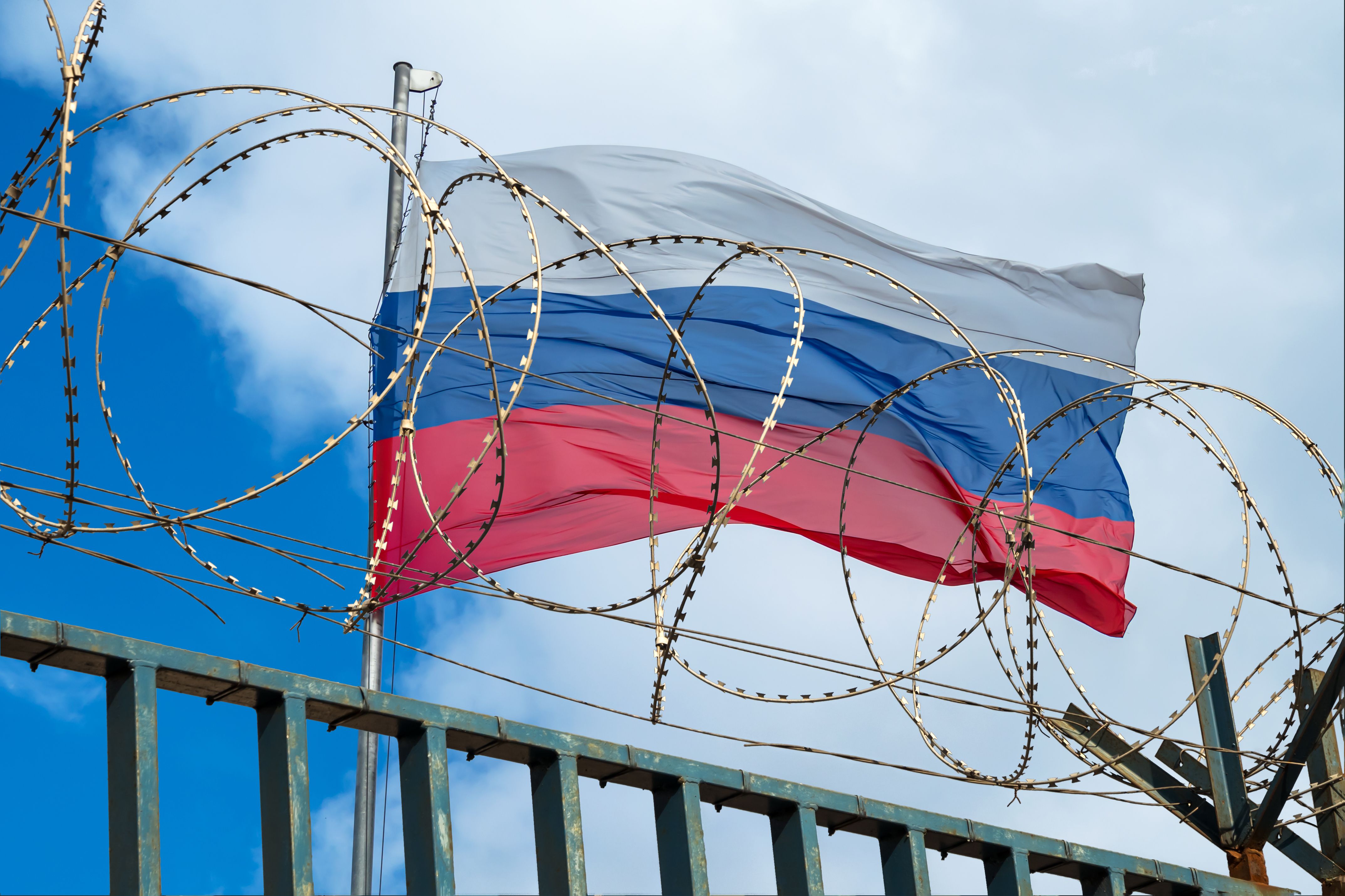
Despite these early advancements, the political landscape in Russia has become increasingly constrained over the past two decades. Government measures have tightened, and dissent has often been met with resistance, making it challenging for opposition movements to thrive.

Key Players in the Opposition
Several prominent figures and organizations have emerged as key players in Russia's opposition landscape. Alexei Navalny, a well-known anti-corruption activist, has been a significant force, rallying support through his investigations and protests. His organization, the Anti-Corruption Foundation, has been instrumental in exposing government corruption.
Other notable opposition groups include political parties like Yabloko and the Communist Party of the Russian Federation, which, despite limited influence, continue to advocate for political reform and social justice. These groups, along with grassroots movements, form the backbone of political dissent in the country.
Challenges Faced by Opposition Movements
Opposition movements in Russia face numerous challenges, including restrictive laws, limited media access, and government surveillance. The introduction of laws such as the "foreign agents" law has further complicated their efforts, as many organizations struggle to operate under increased scrutiny and financial constraints.
Moreover, the control of mainstream media by pro-government entities limits the opposition's ability to reach a broader audience, forcing many to rely on social media and other digital platforms to disseminate their messages.
The Role of Social Media and Technology
In recent years, social media and technology have become vital tools for opposition movements in Russia. Platforms like YouTube, Twitter, and Telegram have provided a means to bypass traditional media channels, allowing activists to organize protests, share information, and connect with supporters.
Despite government efforts to regulate and restrict online activity, the digital space remains a battleground for political dissent, highlighting the ongoing struggle between state control and freedom of expression.

International Reactions and Implications
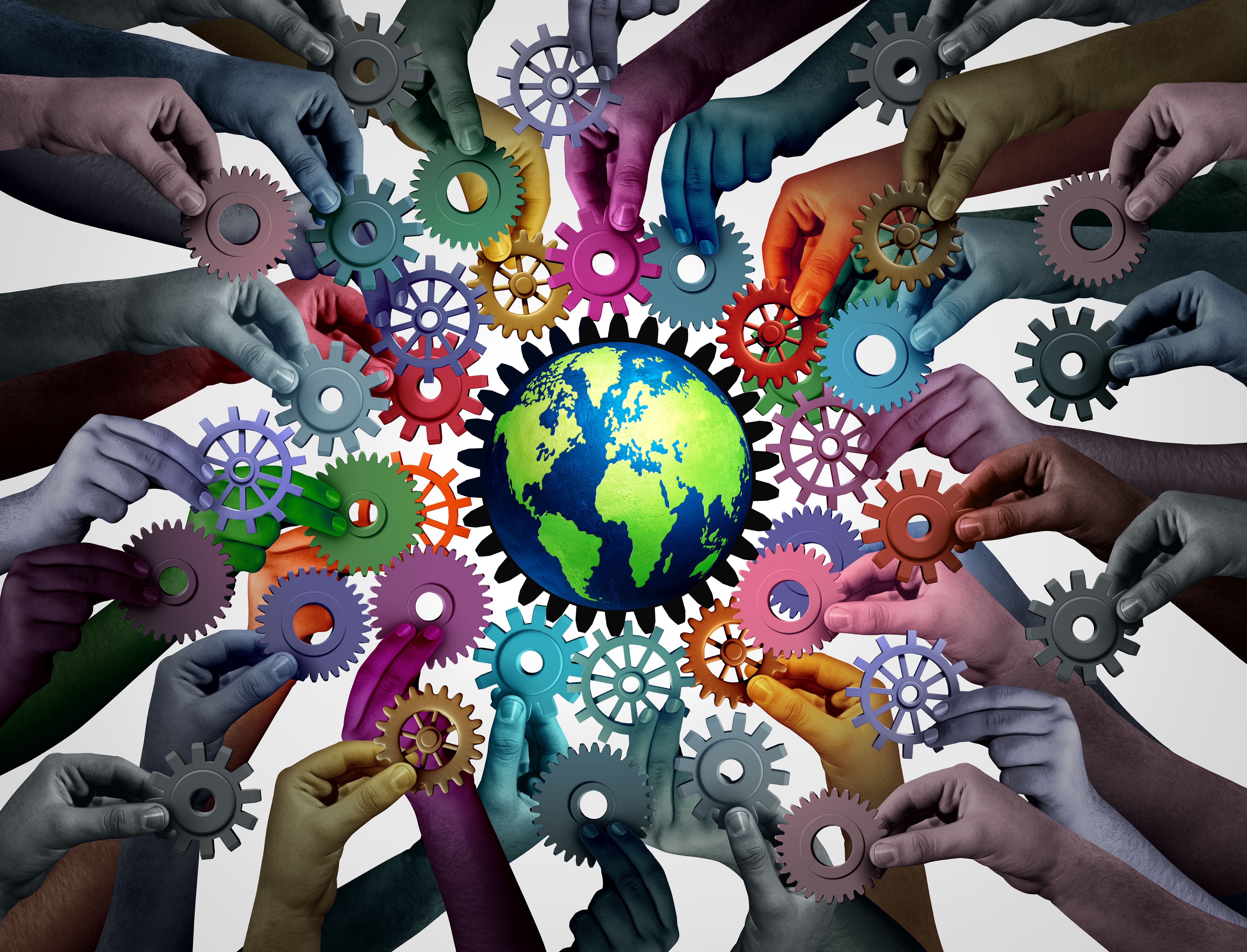
The international community has closely monitored the situation in Russia, with many governments and organizations expressing concern over the treatment of opposition figures and the erosion of democratic principles. Sanctions and diplomatic pressure have been employed as measures to encourage political reform.
However, the impact of these actions remains a topic of debate, as the Russian government continues to assert its sovereignty and dismiss external criticism. The dynamic between domestic dissent and international response continues to shape the broader geopolitical landscape.
Conclusion
Understanding political dissent in Russia involves recognizing the resilience and determination of opposition movements in the face of adversity. While challenges persist, the ongoing efforts of activists and organizations demonstrate a commitment to advocating for change and promoting democratic values.
The future of political dissent in Russia remains uncertain, yet the spirit of opposition endures, offering hope for a more open and democratic society.